The Safety Benefits of Professional Vehicle Inspections
Vehicles often give subtle warning signs long before serious mechanical failures occur. Slight vibrations, unusual noises or reduced braking performance may appear minor at first, but these early symptoms can indicate underlying problems developing within the vehicle’s systems. Paying attention to these early signals can prevent more serious mechanical failures later.
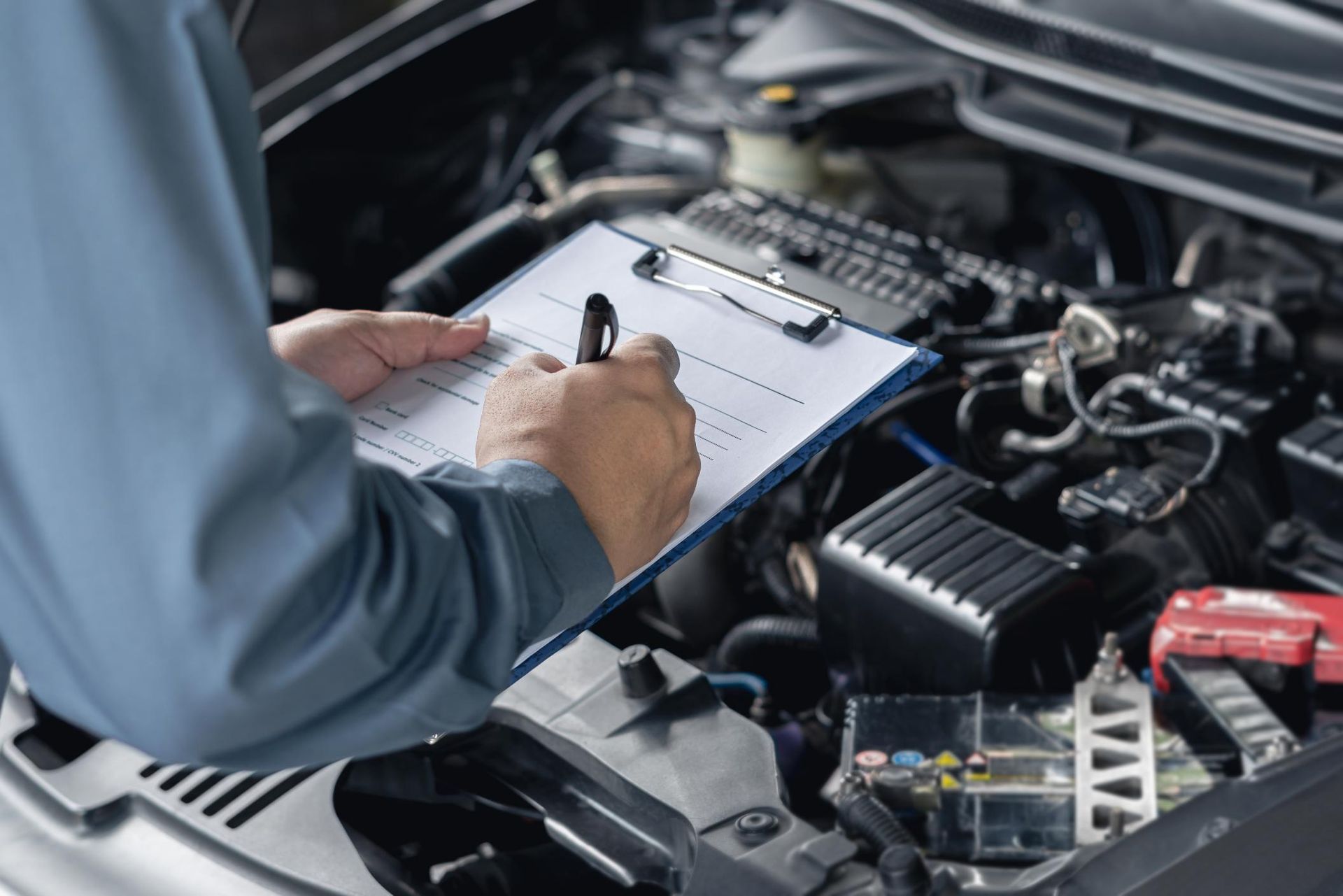
Professional vehicle inspections help identify these issues before they escalate. Trained technicians assess key components that influence safety, performance and reliability. By examining the vehicle thoroughly, they can detect faults that drivers may not notice during everyday use. This detailed assessment helps ensure vehicles remain safe to operate.
Routine inspections also support preventative maintenance. Addressing minor wear early prevents damage to surrounding components and reduces the likelihood of unexpected breakdowns on the road. Preventative servicing also helps extend the lifespan of critical vehicle systems.
In this guide, we explain how professional vehicle inspections improve safety and why working with a qualified mechanic in Ballina helps keep vehicles operating reliably. Understanding the inspection process also helps drivers make informed decisions about vehicle maintenance.
Early Fault Detection Prevents Dangerous Breakdowns
Many mechanical problems develop gradually over time. Components wear, seals deteriorate and moving parts lose efficiency. Without inspection, these changes may go unnoticed until performance declines or a breakdown occurs.
Professional vehicle inspections allow technicians to identify these early warning signs before they become serious safety risks. This early detection allows repairs to be scheduled before faults compromise vehicle performance or safety.
Common issues detected during inspections include:
- Worn brake pads or discs
- Loose suspension components
- Deteriorating belts or hoses
- Fluid leaks affecting performance
- Early engine or transmission irregularities
Identifying these problems early helps prevent unexpected failures. Regular inspections allow drivers to address small issues before they affect vehicle safety.
Brake System Checks That Protect Drivers and Passengers
Braking systems are among the most critical safety components in any vehicle. Even minor wear can affect stopping distance and braking performance.
Professional brake inspections ensure the entire braking system is functioning correctly.
Brake system assessments typically include checking:
- Brake pad thickness and wear
- Condition of brake discs or drums
- Brake fluid levels and contamination
- Hydraulic lines and connections
- Performance of the braking response
Regular brake inspections help maintain reliable stopping power. Maintaining brake components properly reduces risk for drivers, passengers and other road users.
Steering and Suspension: Stability Starts Here
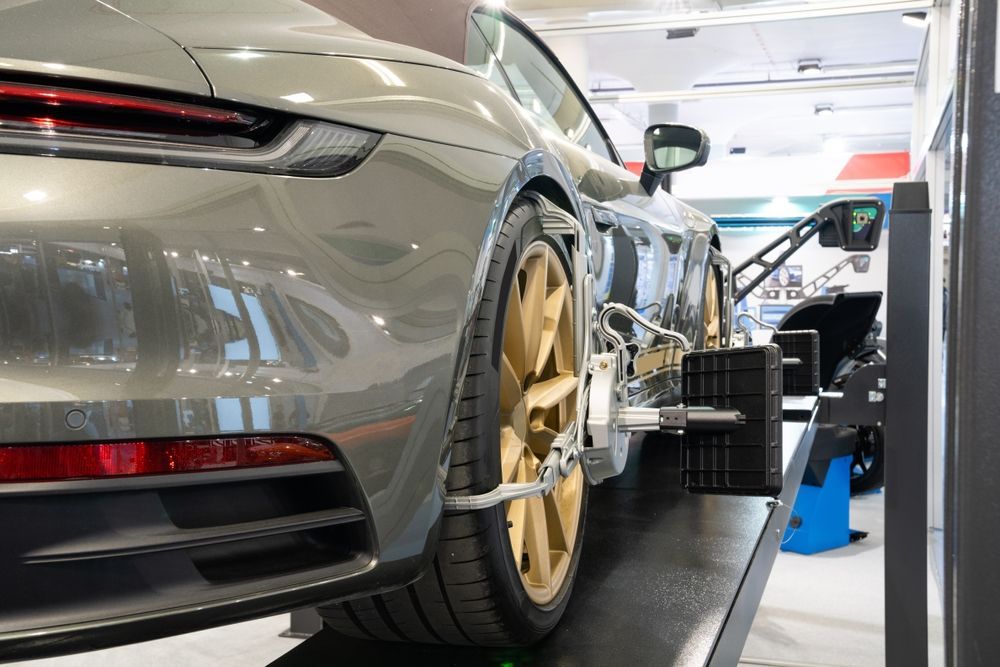
Steering and suspension systems work together to maintain control, stability and comfort while driving. Worn components can affect handling, increase tyre wear and reduce vehicle control during braking or cornering.
Professional vehicle inspections allow technicians to identify these early warning signs before they become serious safety risks. This early detection allows repairs to be scheduled before faults compromise vehicle performance or safety.
Technicians often inspect:
- Shock absorbers and struts
- Ball joints and control arms
- Steering rack components
- Bushings and mounting points
- Wheel alignment indicators
When these systems function correctly, the vehicle remains stable and predictable on the road. Regular inspections help ensure steering and suspension systems continue operating safely.
Tyres, Traction and Road Contact
Tyres form the only direct contact between the vehicle and the road surface. Their condition significantly affects braking performance, steering control and overall vehicle safety.
Professional inspections evaluate tyre condition as part of a broader safety assessment. This helps ensure tyres maintain proper contact with the road surface during everyday driving. It also allows technicians to identify uneven wear that may indicate alignment or suspension issues.
Tyre checks often include:
- Tread depth measurement
- Uneven wear patterns
- Tyre pressure levels
- Alignment indicators
- Sidewall damage or deterioration
Maintaining tyres in good condition improves vehicle control in both dry and wet conditions. Regular inspections help ensure tyres continue performing safely.
Electrical and Warning System Diagnostics
Modern vehicles rely heavily on electronic systems to monitor safety and performance. Warning lights, sensors and onboard diagnostics help identify problems before they affect vehicle operation.
During inspections, technicians review these systems to identify potential faults. Diagnostic equipment helps detect errors stored within the vehicle’s onboard computer. This allows issues to be investigated before they affect overall vehicle performance.
Diagnostic checks may include:
- Engine management system alerts
- ABS warning indicators
- Battery performance and charging systems
- Sensor and wiring condition
- Electrical system stability
Identifying electrical issues early helps prevent mechanical complications later. Diagnostic inspections allow technicians to investigate warning signals before they become major concerns.
Identifying Fluid Leaks Before They Affect Performance
Fluids play a critical role in maintaining vehicle performance and protecting mechanical components. Leaks can reduce lubrication, cooling efficiency or hydraulic pressure within essential systems.
Professional inspections help detect fluid leaks that may otherwise remain hidden.
Technicians commonly inspect:
- Brake fluid systems
- Engine oil levels and seals
- Coolant hoses and connections
- Power steering systems
- Transmission fluid condition
Early detection allows repairs to be completed before mechanical damage occurs. Preventing fluid loss helps maintain reliable vehicle performance.
Compliance Inspections and Roadworthiness
Vehicles must meet road safety standards to remain legally roadworthy. Professional inspections help confirm that vehicles comply with these requirements while maintaining safe operation.
Qualified mechanics assess safety-critical components to determine whether repairs or adjustments are required.
Compliance inspections typically evaluate:
- Braking performance
- Steering function
- Suspension stability
- Lighting and signalling systems
- Tyre condition
Regular compliance checks help ensure vehicles remain safe to operate on public roads. These inspections provide peace of mind for drivers and passengers alike.
Why Experienced Mechanics Deliver More Reliable Inspections
Accurate vehicle inspections require technical knowledge, diagnostic skill and attention to detail. Experienced technicians understand how mechanical systems interact and can identify subtle signs of wear or malfunction.
Working with a qualified mechanic in Ballina ensures inspections are performed thoroughly and accurately.
Professional inspections rely on:
- Technical training and mechanical expertise
- Diagnostic tools and specialised equipmen
- Experience identifying early warning signs
- Structured inspection procedures
- Clear maintenance recommendations
Thorough inspections provide reliable insight into vehicle condition. Skilled technicians help drivers understand what maintenance may be required and when.
Here at K & T Ballina Mechanical, we provide professional vehicle inspections and servicing for drivers seeking a reliable mechanic in Ballina. Our team assesses braking systems, steering, suspension and key safety components to ensure vehicles remain safe and roadworthy.
Contact our team and arrange a professional vehicle inspection if your car has not been checked recently. Regular inspections help identify developing issues early and support safer driving conditions.